
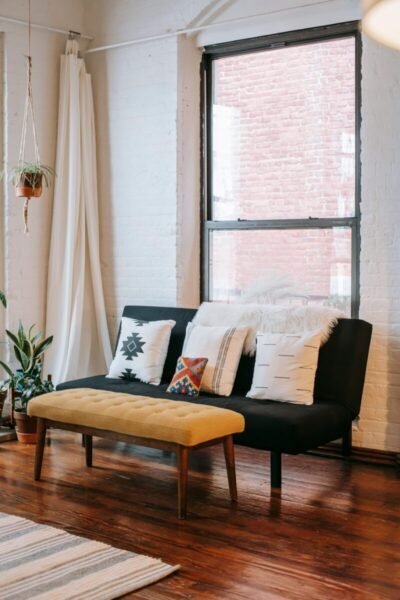
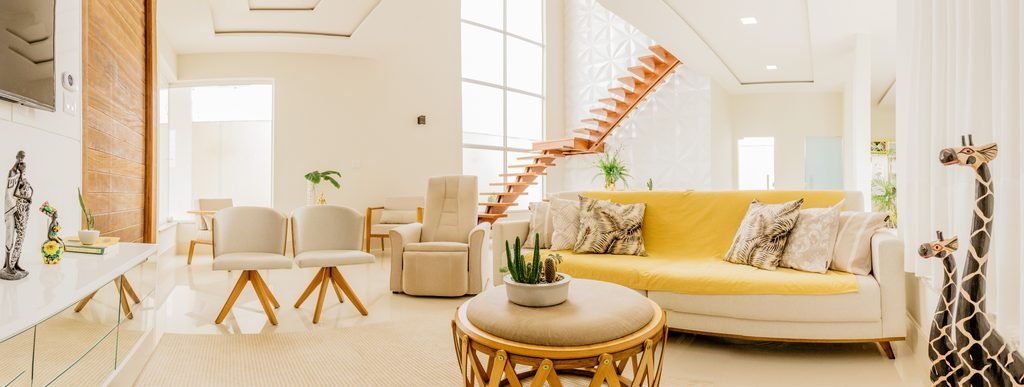
Moving into a rental apartment comes with a strange kind of pressure: you want it to feel like home, but you also don’t want to sink hundreds of dollars into furniture that might not fit your next place — or that you’re not even allowed to install properly. Nail holes, built-in shelving, permanent fixtures — most of that is off the table when you’re renting.
The good news is that furnishing a rental on a budget isn’t about compromising on comfort. It’s about being strategic — buying pieces that are affordable, portable, and lease-friendly, while skipping the things that only make sense if you own the place.
Here’s how to approach it room by room.
Start With a Realistic Budget — and a Priority List
Before buying anything, decide what actually matters to you. Not every room needs to be furnished on day one. A common approach that works well for renters:
- Must-haves in week one: bed, a place to sit, basic kitchen items
- Can wait a few weeks: decor, extra storage, a proper desk setup
- Can wait months (or forever): anything purely decorative
Trying to furnish an entire apartment in one weekend is usually what blows a budget. Spreading purchases over a few weeks lets you catch sales, compare prices, and avoid impulse buys you’ll regret.
Choose Furniture That Moves With You
Renters move more often than homeowners — sometimes every one to two years. Furniture that’s heavy, oversized, or built for one specific room layout becomes a liability the moment your lease ends.
Look for:
- Modular or flat-pack furniture that disassembles for moving
- Multi-purpose pieces — a storage ottoman that doubles as a coffee table, a sofa bed for guests, a bookshelf that can also divide a room
- Lightweight materials over solid wood or heavy upholstered pieces, especially if you’ll be carrying things up stairs
A general rule: if it takes more than two people to move it, think twice before buying it for a rental.
Damage-Free Ways to Decorate Walls
Most leases restrict painting, drilling, or anything that leaves permanent marks — and security deposits often depend on leaving walls exactly as you found them. That doesn’t mean bare walls are your only option.
Renter-friendly alternatives include:
- Adhesive hooks and strips rated for the weight of what you’re hanging (check the label — they range from a few hundred grams to several kilograms)
- Removable wallpaper or wall decals for a feature wall
- Leaning large mirrors or framed art against the wall instead of mounting them
- Curtain tension rods that don’t require drilling into the window frame
Always test adhesive products on a small, hidden section of the wall first — some paint finishes react differently, and it’s better to find out on a corner than in the middle of the wall.

Furnishing the Kitchen Without Overspending
Rental kitchens are often smaller than what you’re used to, and many landlords already supply the big appliances. Focus your budget on the things that actually get used daily:
- A compact set of pots and pans rather than a full 15-piece set
- A few multi-use tools (one good chef’s knife beats five mediocre ones)
- Stackable or collapsible storage containers that don’t eat up cabinet space
If you’re only in the apartment short-term, it’s worth asking whether you really need duplicate appliances — a shared living situation, for example, often means the basics are already covered.
Making the Living Room Feel Finished on a Budget
The living room is usually where people spend the most money — and where it’s easiest to overspend. A few ways to keep costs down without the space feeling empty:
- Buy the sofa last, not first. Once you have a rug, some cushions, and a couple of lamps, you’ll have a much clearer sense of what size and style of seating actually fits the room.
- Layer lighting instead of relying on the overhead fixture. A floor lamp and a table lamp make a rental feel warmer than a single ceiling light ever will, and lighting is one of the cheapest ways to change how a room feels.
- Use a rug to define the space, especially in open-plan rentals where the living and dining areas blend together.
Secondhand and Local Options Are Worth Checking First
Before buying new, it’s worth checking:
- Local buy-and-sell groups and marketplace apps, where people moving out often sell furniture in good condition at a fraction of retail price
- End-of-semester periods near universities, when student furniture often gets sold cheaply
- Council “hard rubbish” collection days in some areas, where usable furniture sometimes ends up on the curb
This won’t work for everything — mattresses and upholstered items are generally worth buying new for hygiene reasons — but for shelving, side tables, and frames, secondhand can cut costs significantly.
A Simple Room-by-Room Budget Checklist
To keep things manageable, break your shopping list down like this:
- Bedroom: mattress, bed frame (or none — a mattress on a frame base works fine short-term), lamp, basic storage
- Living room: seating, coffee table or ottoman, rug, one or two lamps
- Kitchen: essential cookware, a few storage containers, dish rack
- Bathroom: shower caddy, bath mat, storage for toiletries
- Entryway: a hook rack or small shelf for keys and mail
You don’t need to fill every category before moving in — but having the list makes it much easier to track what’s actually left to buy, instead of guessing.
The Bottom Line
Furnishing a rental on a budget comes down to two things: buying furniture that can move with you, and decorating in ways that don’t put your deposit at risk. Once you’ve covered the essentials, the rest can be filled in gradually — and a rental that’s been thoughtfully furnished over a few weeks usually feels more like home than one that was fully kitted out in a single expensive weekend.