
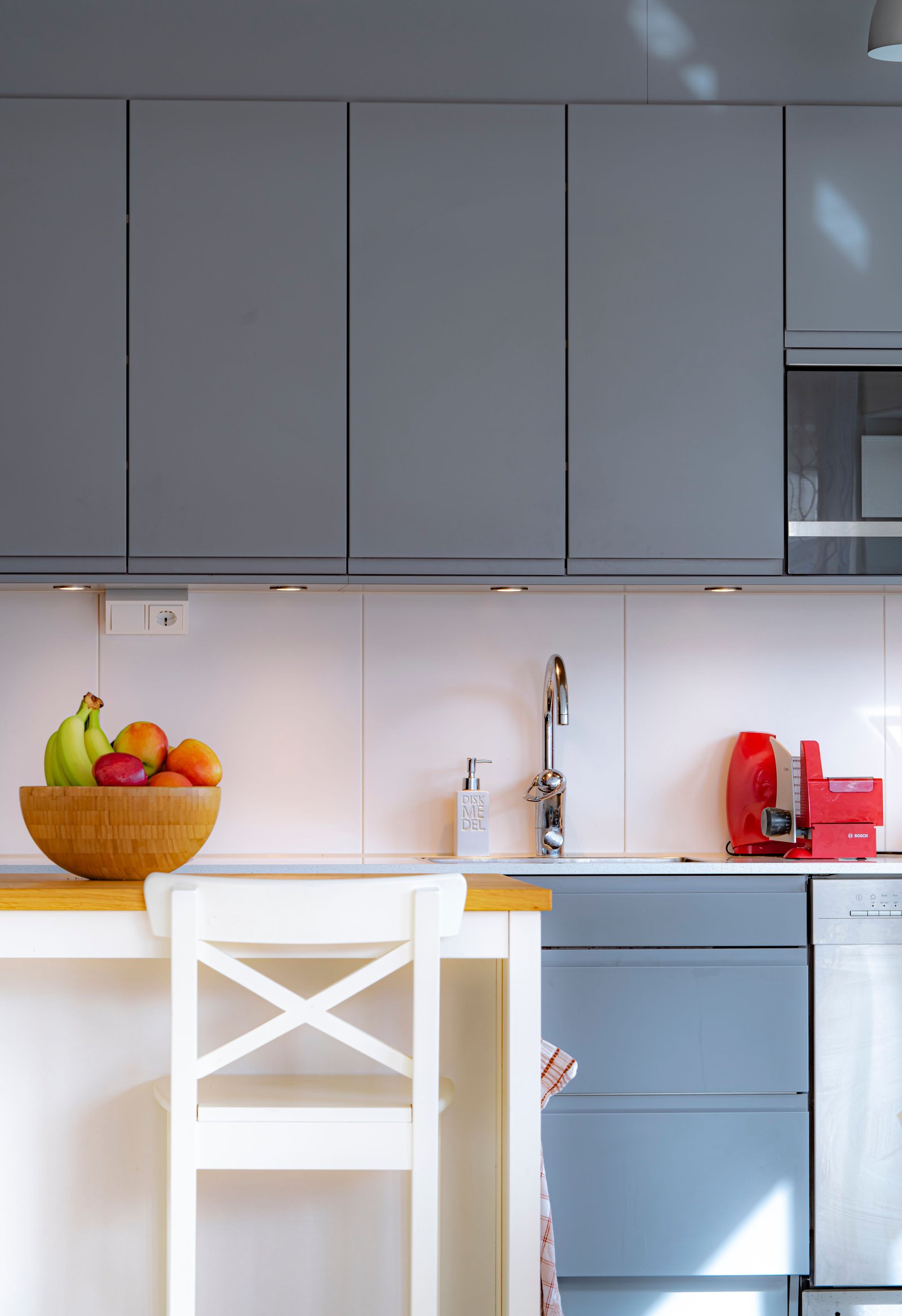
Small rental kitchens tend to have the same problems: not enough counter space, cabinets that don’t quite fit how you actually cook, and a landlord who won’t be thrilled if you start installing anything permanent. The good news is that most kitchen organization problems are solved with layout and storage strategy, not renovation — and everything below is fully reversible at move-out.
Start by Auditing What You Actually Use
Before buying any organizers, empty one section of the kitchen at a time and sort into three piles: used weekly, used occasionally, rarely used. Most small-kitchen frustration comes from prime, easy-to-reach space being taken up by things used twice a year (specialty bakeware, a fondue set, novelty mugs).
- Weekly-use items go in the most accessible spots — eye-level shelves, the drawer nearest the stove
- Occasional items go higher up or toward the back
- Rarely-used items can often live outside the kitchen entirely — a hallway cupboard or under-bed storage frees up real kitchen space for things you use daily
Make Use of Vertical Space
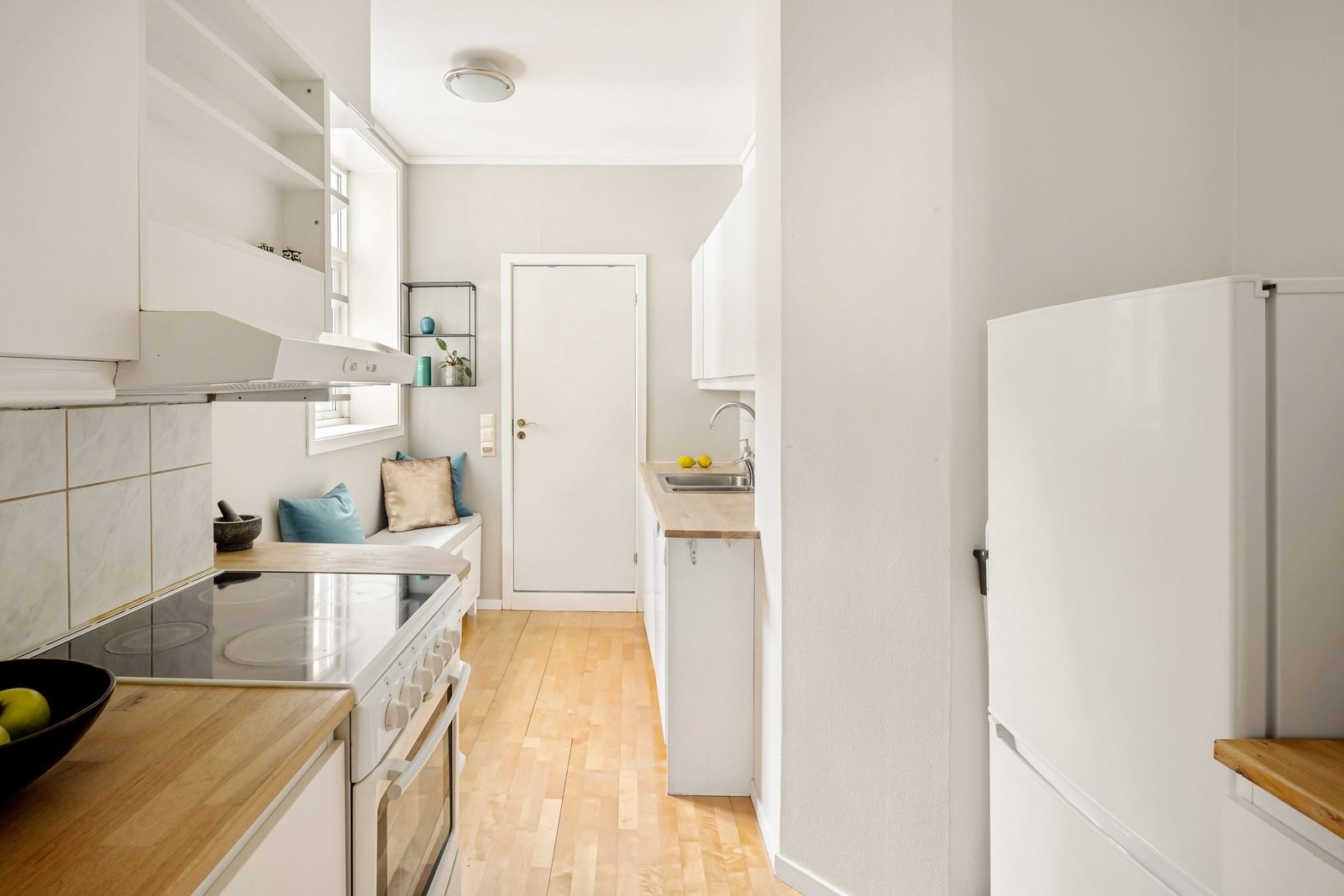
Small kitchens are almost always underused vertically, not just horizontally.
- Tension rod shelf dividers inside cabinets create a second level for plates or cutting boards without any installation
- Over-the-door organizers on the pantry or cabinet doors add storage that didn’t exist before, ideal for spices, foil, or cleaning supplies
- Stackable shelves inside cabinets double usable space in tall, single-shelf cupboards that otherwise waste height above shorter items
Damage-Free Solutions for Extra Storage
Since drilling usually isn’t an option, adhesive and tension-based products do most of the heavy lifting:
- Adhesive hooks rated for kitchen weight work well for hanging mugs, oven mitts, or small utensils, freeing up drawer space
- Magnetic strips (many attach via adhesive rather than screws) are useful for knives or metal utensils, provided you have a suitable metal surface like a fridge side panel
- Tension rods under the sink create an extra hanging layer for spray bottles, keeping the cabinet floor clear for bulkier items
- Freestanding shelving units (no installation at all) are the simplest fix if the kitchen is short on cabinets entirely — even a slim rolling cart can add significant storage without touching the walls
Drawer Organization That Actually Works
Drawers in rental kitchens are often one-size-fits-all, which rarely matches what you’re storing.
- Adjustable drawer dividers (the expandable kind, no tools needed) let you customize compartment sizes rather than living with whatever came standard
- Group by task, not by item type — a “breakfast” drawer with everything needed for that routine is often faster to use than a strict “all spoons together” system
- Drawer liners aren’t just cosmetic — they stop small items sliding around every time the drawer opens, which is a bigger source of daily frustration than people expect
Counter Space: Protect It Ruthlessly
In a small kitchen, counter space is the most valuable real estate you have, and it fills up fast with appliances that don’t get used daily.
- Keep only your one or two most-used appliances on the counter (usually a kettle and maybe a coffee maker); store the rest
- A slim rolling cart can function as extra counter space that tucks away when not needed
- Cutting boards and trays that fit vertically in a slot organizer free up flat counter space that would otherwise be lost to stacking
Pantry Alternatives When There’s No Pantry
Many small rental kitchens don’t have a dedicated pantry at all. A few common workarounds:
- A single tall, narrow cabinet or repurposed bookshelf can function as pantry storage in an adjacent hallway or dining area
- Stackable, uniform containers use vertical cabinet space far more efficiently than keeping food in its original mismatched packaging
- A door-mounted rack on a nearby closet or pantry-adjacent door adds storage without needing floor space at all
A Simple Weekend Plan
- Saturday morning: Empty and sort one section at a time (start with the most cluttered)
- Saturday afternoon: Install damage-free storage solutions (hooks, tension rods, over-door organizers)
- Sunday: Reorganize based on frequency of use, then live with it for a week before making further adjustments — you’ll notice quickly what’s still not working
The Bottom Line
A small rental kitchen doesn’t need a renovation to function well — it needs an honest audit of what you actually use, smarter use of vertical space, and a handful of damage-free products that make the layout work for how you actually cook. Everything above comes out cleanly at move-out, with nothing left behind but a more organized way of using the space you already have.