
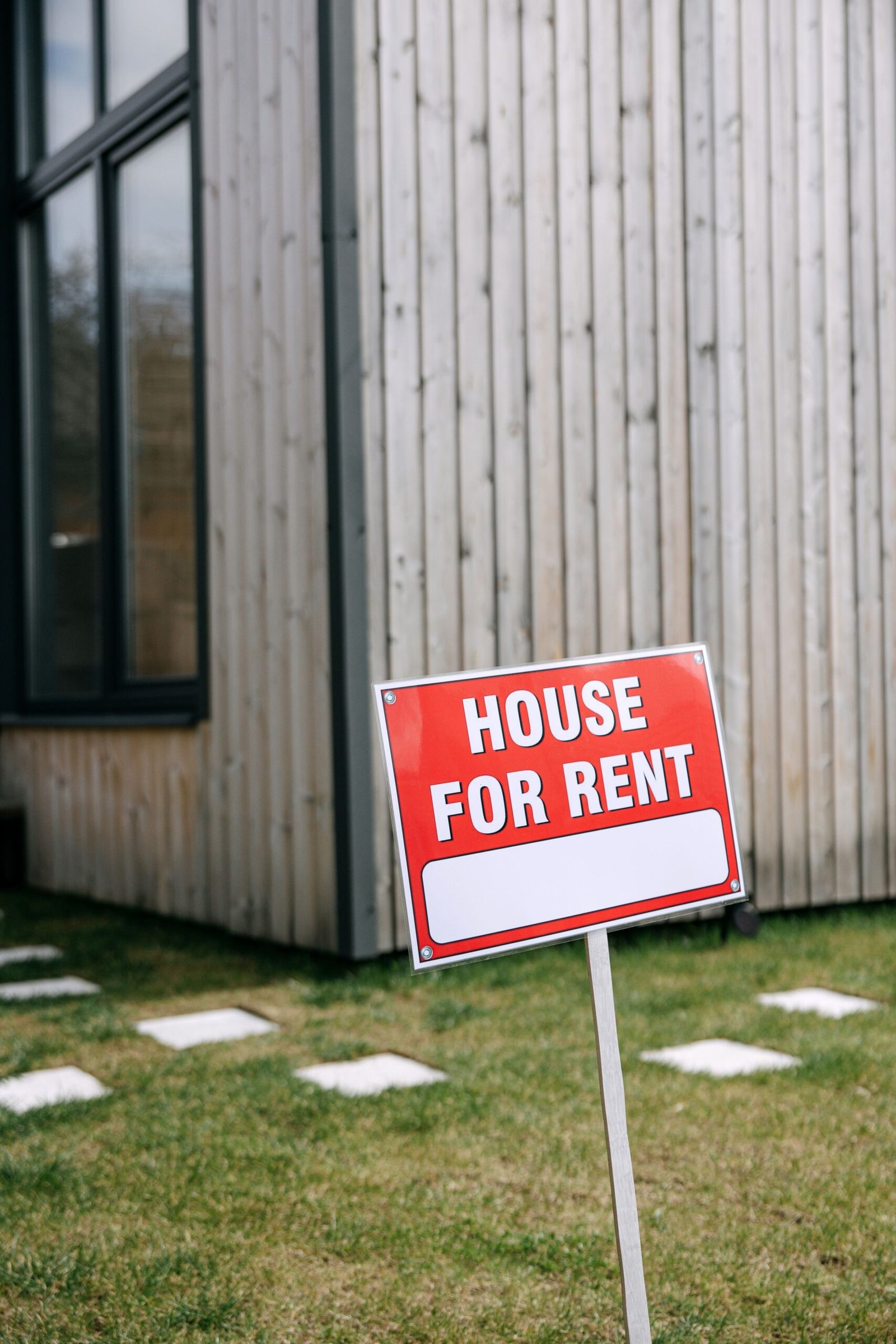
Signing a lease is easy to rush — you’ve found a place you like, the agent is waiting, and you just want to move in. But a lease is a legal document, and the details you skim past are usually the ones that cause problems six months later. A few extra minutes of reading now can save you money and stress down the line.
This isn’t legal advice — rental laws vary by state and territory in Australia, and your local tenancy authority (like NSW Fair Trading, Consumer Affairs Victoria, or the RTA in Queensland) is the definitive source. But here’s what’s worth specifically checking before you sign anything.
1. Bond Amount and Where It’s Held
Every state caps how much bond a landlord can ask for (commonly four weeks’ rent, though this varies). Check that:
- The amount matches what’s legally allowed
- The bond is being lodged with your state’s official bond authority, not held privately by the landlord or agent
- You get a receipt confirming the lodgement
If a landlord asks for bond in cash with no official lodgement, that’s a red flag worth raising before you sign.
2. Condition Report Process

Before or immediately after moving in, you should complete a condition report — a detailed record of the property’s state, ideally with photos. This document is what protects your bond at the end of the lease.
Check the lease for:
- How much time you’re given to complete and return the condition report (often 3–7 days)
- Whether photos are accepted as part of the report
- What happens if you disagree with the landlord’s version of the report
Skipping this step, or rushing it, is one of the most common reasons tenants lose part of their bond over damage they didn’t actually cause.
3. Break-Lease Terms
Plans change — a job relocation, a relationship change, an unexpected opportunity. Before signing, know what it costs to leave early:
- Is there a fixed break-lease fee, or is it calculated based on how much rent remains?
- Are you responsible for costs until a new tenant is found, or is there a cap?
- Does the lease mention re-letting fees on top of any break fee?
This clause matters more than people expect. A short-term lease with a harsh break clause can end up costing more than a longer lease with reasonable exit terms, if your plans are even slightly uncertain.
4. What’s Included (and What Isn’t)
Don’t assume — confirm in writing:
- Which appliances stay with the property (dishwasher, washing machine, air conditioning units)
- Whether utilities like water, internet, or electricity connections are included or separate
- Who’s responsible for garden maintenance, if there is one
- Parking — is a specific spot allocated, or is it first-come-first-served?
Verbal promises from an agent during a viewing don’t count for much if they’re not written into the lease itself.
5. Maintenance and Repair Responsibilities
Check how repair requests are handled:
- What’s the process for reporting an issue?
- Is there a stated timeframe for urgent repairs (things like no hot water, gas leaks, or electrical faults) versus non-urgent ones?
- Who covers minor wear and tear versus tenant-caused damage?
Most tenancy laws set minimum standards here regardless of what the lease says, but knowing the property manager’s actual process saves time if something breaks.
6. Rent Increase Clauses
Fixed-term leases in most Australian states can’t have rent increased mid-term unless the lease specifically allows it (often tied to a fixed schedule, like an annual CPI-linked increase). Check:
- Whether the lease mentions any scheduled increases during a fixed term
- How much notice you’re entitled to before a rent increase, once your lease moves to periodic (month-to-month) status
7. Special Conditions

This section is often overlooked, but it’s where landlords add clauses beyond the standard template. Read it carefully — special conditions can cover things like:
- Pet approval processes or restrictions
- Rules about hanging items on walls or making alterations
- Cleaning requirements at the end of the tenancy (some leases specify professional cleaning, which isn’t always enforceable depending on your state, but worth knowing it’s there)
- Smoking restrictions
If anything in the special conditions seems unusual or overly restrictive, it’s worth asking about it before signing rather than after.
8. Inspection Frequency
Routine inspections are standard, but the frequency and notice period should be clearly stated — most states require a minimum notice period (often at least 7 days) and cap how often routine inspections can happen (commonly no more than once every three months).
A Quick Pre-Signing Checklist
- Bond amount matches legal limits and will be lodged with the official authority
- Condition report process and timeframe are clear
- Break-lease costs are stated, not vague
- Included appliances and utilities are listed in writing
- Repair and maintenance process is explained
- Rent increase terms (if any) are specified
- Special conditions have been read in full, not skimmed
- Inspection frequency and notice period are stated
The Bottom Line
A lease is negotiable more often than people assume, and even when it isn’t, understanding exactly what you’re agreeing to prevents most of the disputes that come up later. Take the extra ten minutes to read the whole document — including the parts that feel like boilerplate — before you sign.
This article is general information, not legal advice. For anything specific to your situation, check with your state or territory’s tenancy authority.
Anything you wish you’d checked before signing your own lease!